
Carpenter Bees
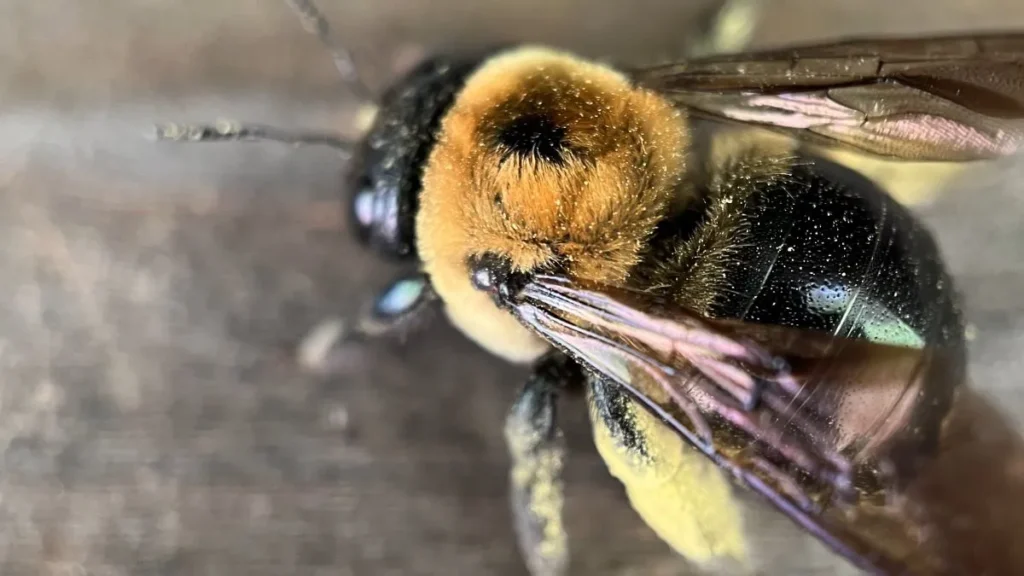
Description: Large, black and yellow “bubble bee” looking bug. It has a shiny, black rear end and drills 3/8 inch round holes in wood on homes and garages. Females can sting as they are the only sex to have a stinger – males, while unable to sting, they will fly aggressively and “divebomb” to try to intimidate potential threats. Male and female look the same and can’t be differentiated to the naked eye. Stings from Carpenter Bees are rare.
Preparation:
- Occupants do not need to leave the residence.
- All treatments are done outside or in infested areas.
- No treatment odor.
- Treatment does not affect animals or children.
- Do not have to avoid treatment area at any time.
Honey Bees and Bumble Bees
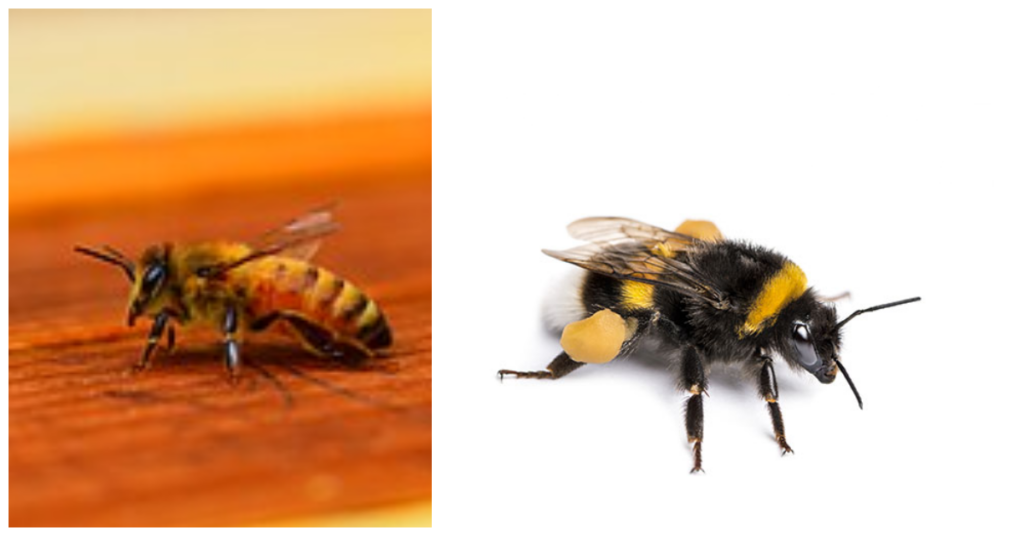
Honey Bee: Small, Fuzzy, yellow and black bees occupying on nests. Our docile friendly honey maker. While they are docile, they will sting if threatened or attacked.
Bumble Bees: Large, yellow and black, fuzzy body (black and yellow). Nests in voids and debris. Generally docile, but also has the ability to sting when threatened.
Recommendations for non-lethal collection:
- For honey bees – you may call a Bee Keeper to see if they want to remove and salvage the nest.
Mason Bees
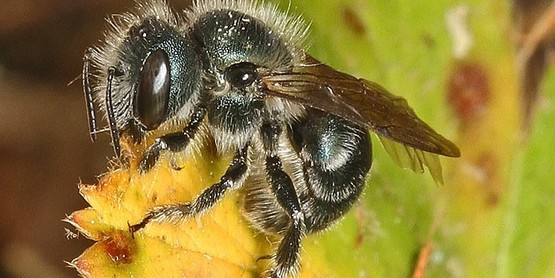
In our area, we have seen a large increase in the amount of a fuzzy little bee called the Mason bee. These friendly docile bees are pollinators, and are a growing part of our local ecosystem, almost as much as the honeybee. Typically these bees will not sting unless heavily threatened.
Wasps and Hornets
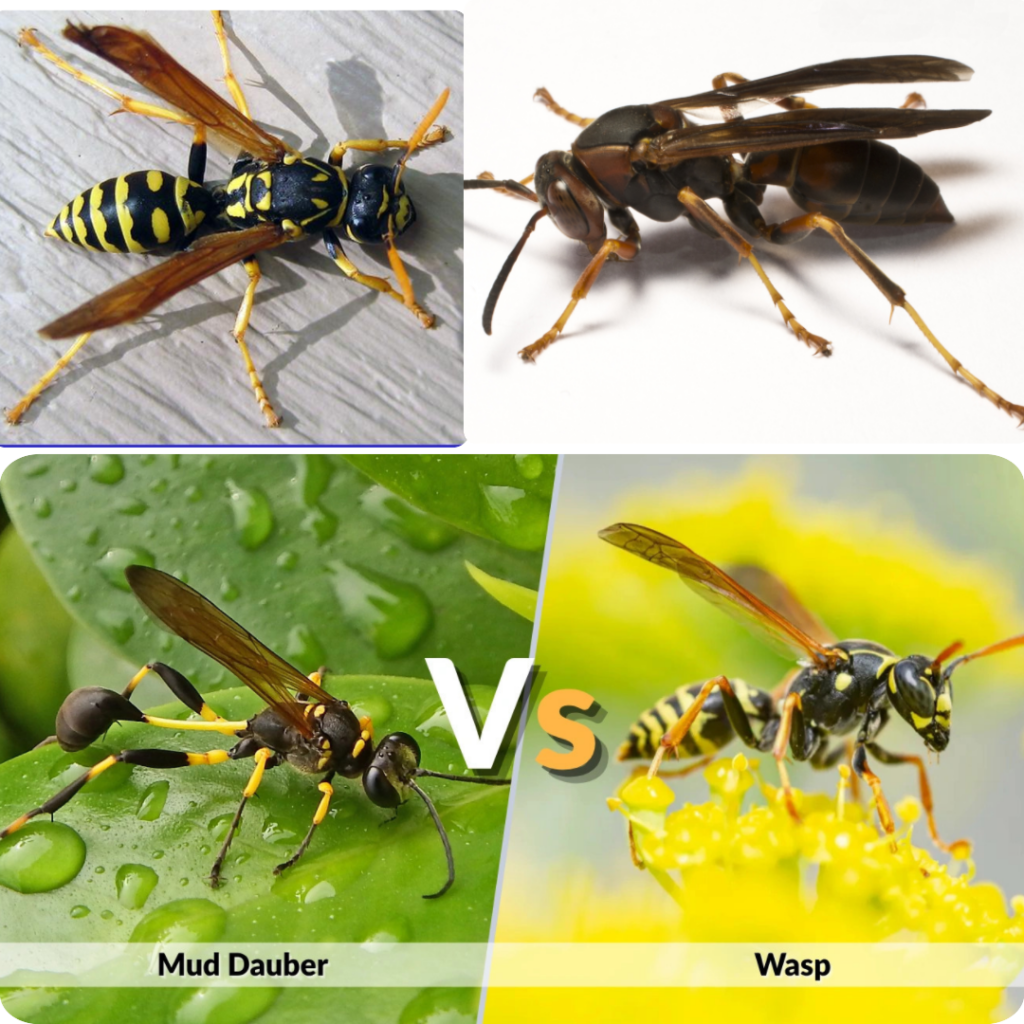
Wasps: Paper wasps, and mud dauber wasps are very common in our area. These wasps are generally docile unless they feel threatened. Both paper wasp and mud dauber wasp come in various colors. Some are black and yellow striped, and are commonly confused with bees and yellow jackets.
Yellow Jackets
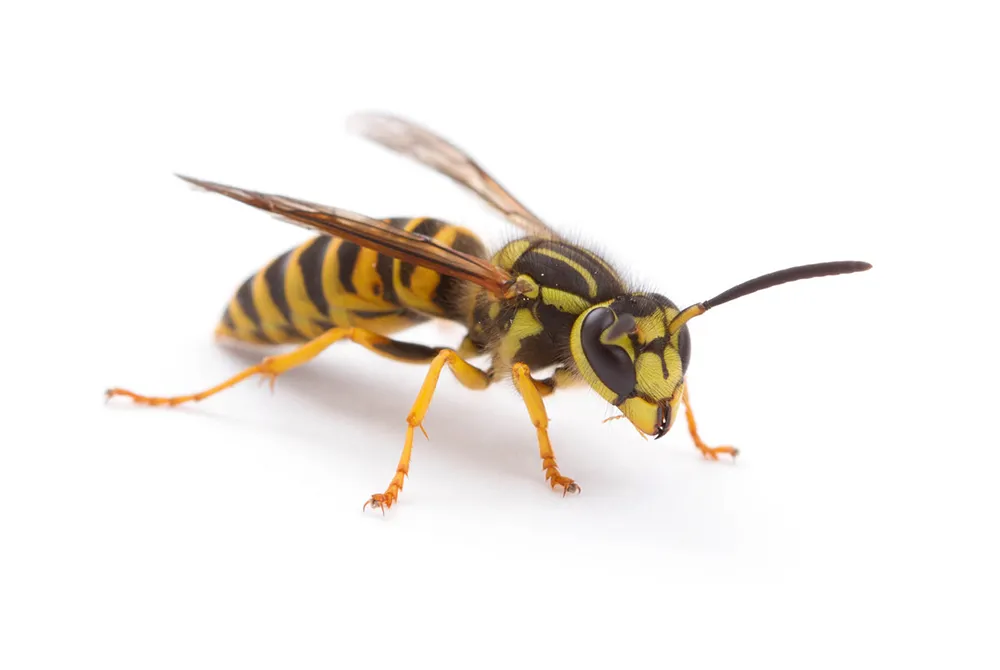
Yellow Jacket: Yellow jackets are often confused with bees because of their yellow and black coloring and their smaller size. Yellow jackets are a breed of wasp and are known to be aggressive. In the earlier parts of the spring and summer they are less aggressive, but in late summer and fall, they will sting without any indication of threat. Commonly nesting in voids in walls, or tunneling underground to build nests.
Bald Faced Hornets
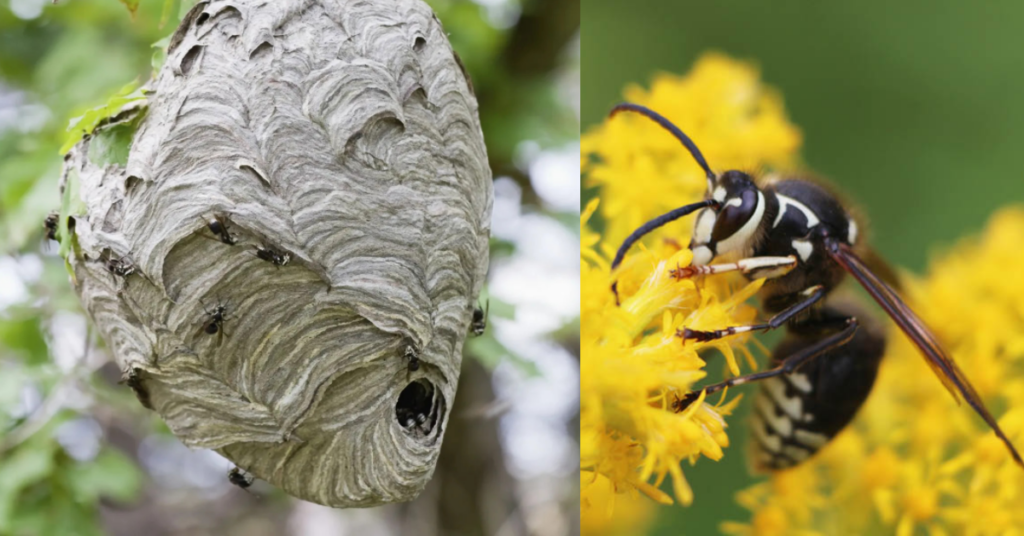
Bold Face Hornets: One of the largest stinging insects found in our area, the bald faced hornet is very aggressive, and has an intensely painful sting. These can be very dangerous and should be avoided without proper protective equipment.